
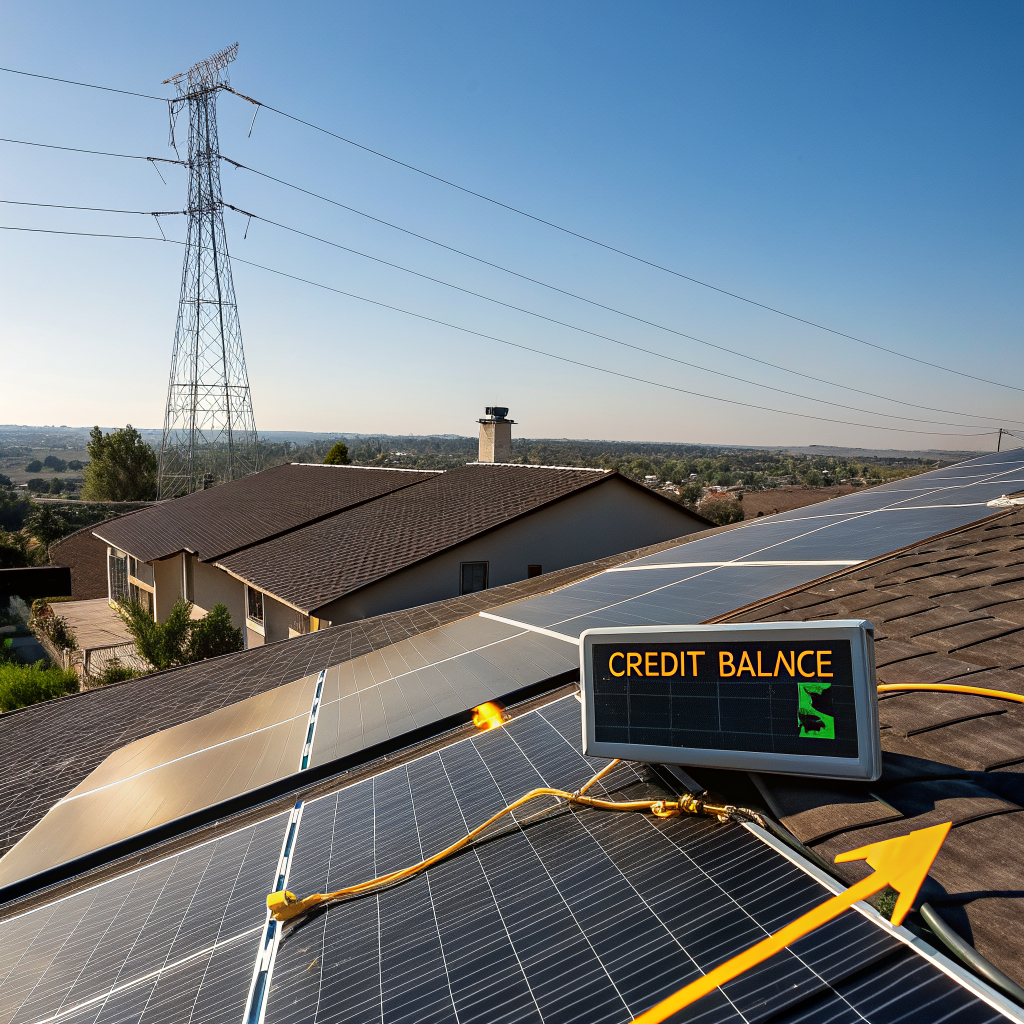
Solarium360 has seen a surge in on‑grid solar demand across Pakistan. Understanding how these systems work helps homeowners make informed decisions and maximise savings.
What Is an On Grid Solar System?
An on‑grid (or grid‑tied) system is directly connected to the national electricity grid. It generates power during daylight, feeds excess electricity back to the grid, and draws power when solar production is low.
Key Components
- Solar Panels – Capture sunlight and convert it to DC electricity.
- Inverter – Converts DC to AC, synchronising with grid voltage.
- Meter (Bi‑directional) – Measures both consumption and export.
- Mounting Structure – Secures panels at the optimal tilt.
How Net Metering Reduces Your Bills
When your system produces more electricity than you consume, the surplus is sent to the grid. The utility credits you for that energy, which is deducted from future bills. Over a year, many customers see a 60‑80% reduction in electricity costs.
Benefits Specific to Pakistan
- Mitigates load‑shedding disruptions.
- Utilises abundant solar irradiance (average 5‑6 kWh/m²/day).
- Eligibility for government incentives and tax rebates.
Installation Process with Solarium360
- Free site survey – we assess roof orientation, shading, and load.
- Custom system design – tailored to your energy needs.
- Professional installation – certified technicians handle wiring and approvals.
- Commissioning – system is tested, and you receive a hand‑over guide.
Maintenance Tips
On‑grid systems require minimal maintenance. A yearly inspection and panel cleaning keep performance above 95%.
Bottom Line
On‑grid solar offers a reliable, cost‑effective path to energy independence in Pakistan. With Solarium360’s end‑to‑end service, you can enjoy hassle‑free solar power.