
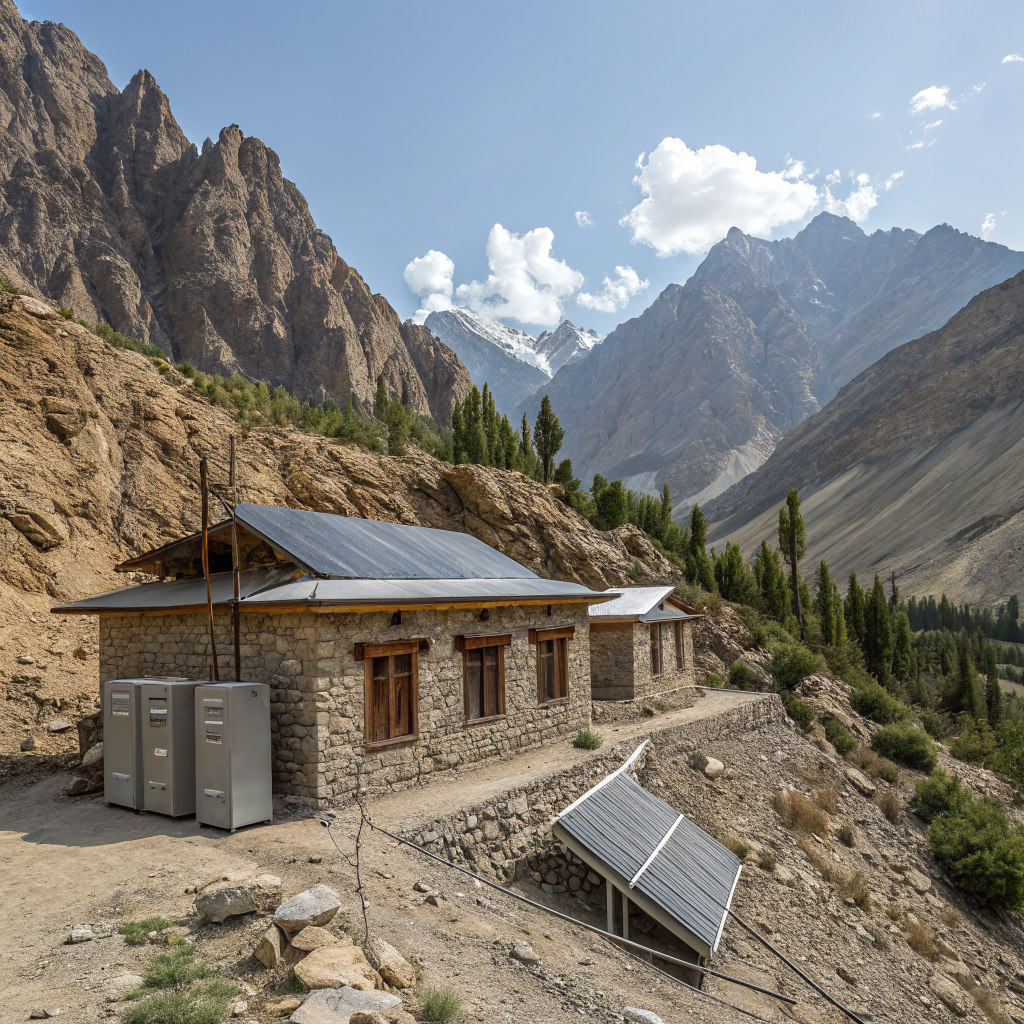
In many rural parts of Pakistan, grid electricity is either unavailable or suffers frequent interruptions. Off‑grid solar offers a self‑sufficient alternative.
Why Choose Off Grid?
Off‑grid systems store excess solar energy in batteries, ensuring power availability day and night. They are ideal for homes, schools, and agricultural operations far from the main grid.
Core Components
- Solar Panels – Capture sunlight.
- Charge Controller – Regulates battery charging to prevent over‑charge.
- Batteries – Store energy (lead‑acid or lithium).
- Inverter – Supplies AC power to appliances.
Designing the Right System
Solarium360 begins with a detailed energy audit: measuring daily load, peak demand, and future expansion plans. Based on the audit, we size panels and battery bank to guarantee at least 2‑3 days of autonomy.
Installation Steps
- Site assessment – checking shading and structural integrity.
- System sizing – using our online calculator for accurate estimates.
- Equipment delivery – panels, inverters, batteries, mounting.
- Assembly and wiring – fully compliant with IEC standards.
- Testing and hand‑over – training homeowners on system monitoring.
Maintenance and Support
Battery health is the most critical factor. Solarium360 offers Annual Maintenance Contracts (AMC) that include battery checks, voltage balancing, and firmware updates.
Real‑World Example
We recently installed a 5 kW off‑grid system for a farming family in Muzaffarabad. The system powers irrigation pumps, refrigeration, and lighting, cutting diesel fuel costs by 70%.
Is Off Grid Right for You?
If you reside in a location with unreliable grid access or need a completely autonomous power source, an off‑grid solution from Solarium360 can provide peace of mind and long‑term savings.