
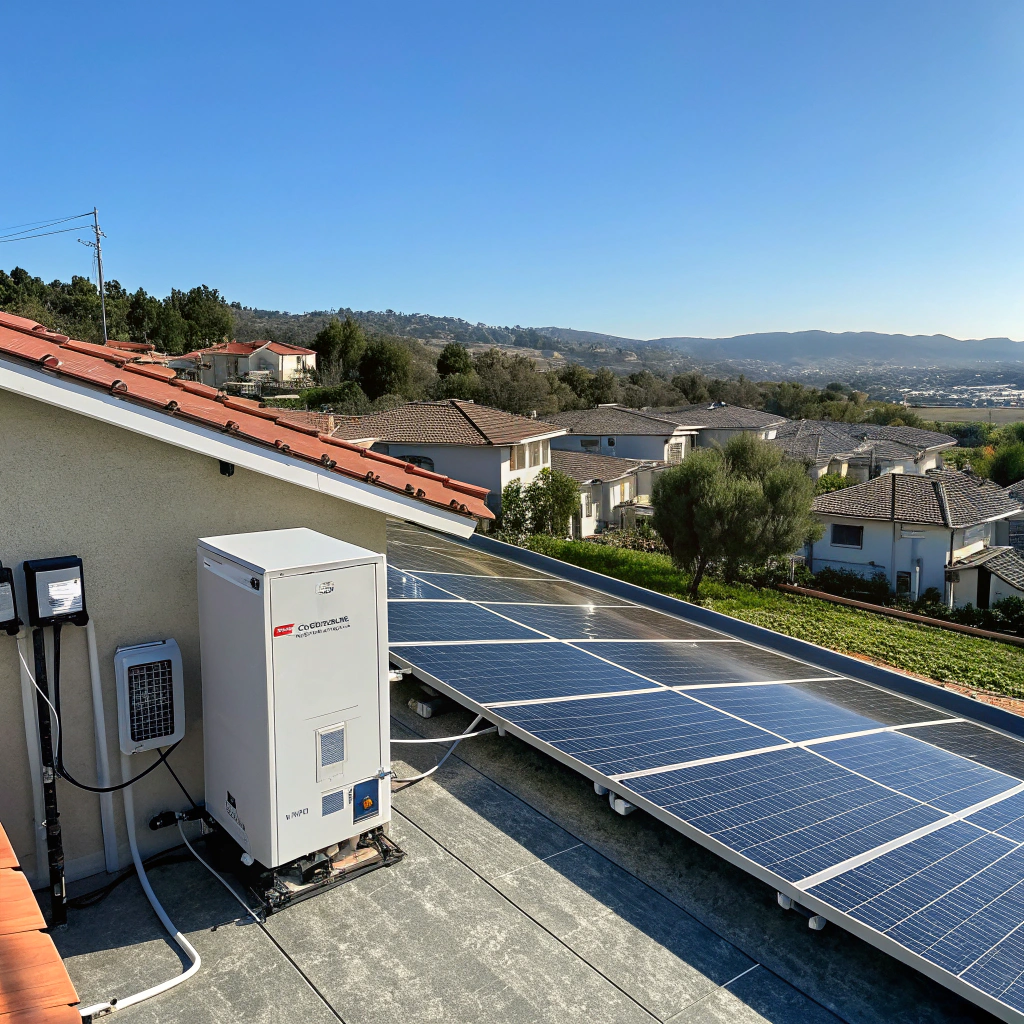
Hybrid solar systems are rapidly gaining popularity in Pakistan because they blend the advantages of on‑grid and off‑grid technologies.
What Is a Hybrid Solar System?
A hybrid system connects to the utility grid, stores excess solar energy in batteries, and can operate independently during grid outages.
Key Benefits
- Continuous Power – Seamless transition during load‑shedding.
- Optimised Savings – Use stored solar during peak tariff hours.
- Future‑Proof – Easy upgrade to larger battery capacity.
Core Components
- Solar Panels
- Hybrid Inverter (grid‑tied + battery management)
- Batteries (typically lithium‑ion for higher efficiency)
- Bi‑directional Meter for net metering
How Solarium360 Designs a Hybrid Solution
- Energy Audit – Determine daily consumption and peak load.
- Battery Sizing – Calculate required storage to cover typical load‑shedding duration (e.g., 4‑6 hours).
- System Integration – Ensure inverter compatibility with both grid and battery.
- Smart Monitoring – Real‑time dashboard for usage, savings, and battery health.
Installation Timeline
From free survey to commissioning, the typical hybrid installation takes 2‑3 weeks, depending on site readiness.
Case Study: Urban Apartment in Karachi
A 3 kW hybrid system with a 10 kWh lithium battery reduced the family\’s electricity bill by 55% and provided uninterrupted power for 5 hours during load‑shedding.
Maintenance Tips
Hybrid systems require annual checks of inverter firmware and battery health. Solarium360’s AMC includes priority support and remote diagnostics.
Is Hybrid Right for You?
If you live in an area with frequent outages but also want to benefit from net metering, a hybrid system delivers reliability and cost efficiency.